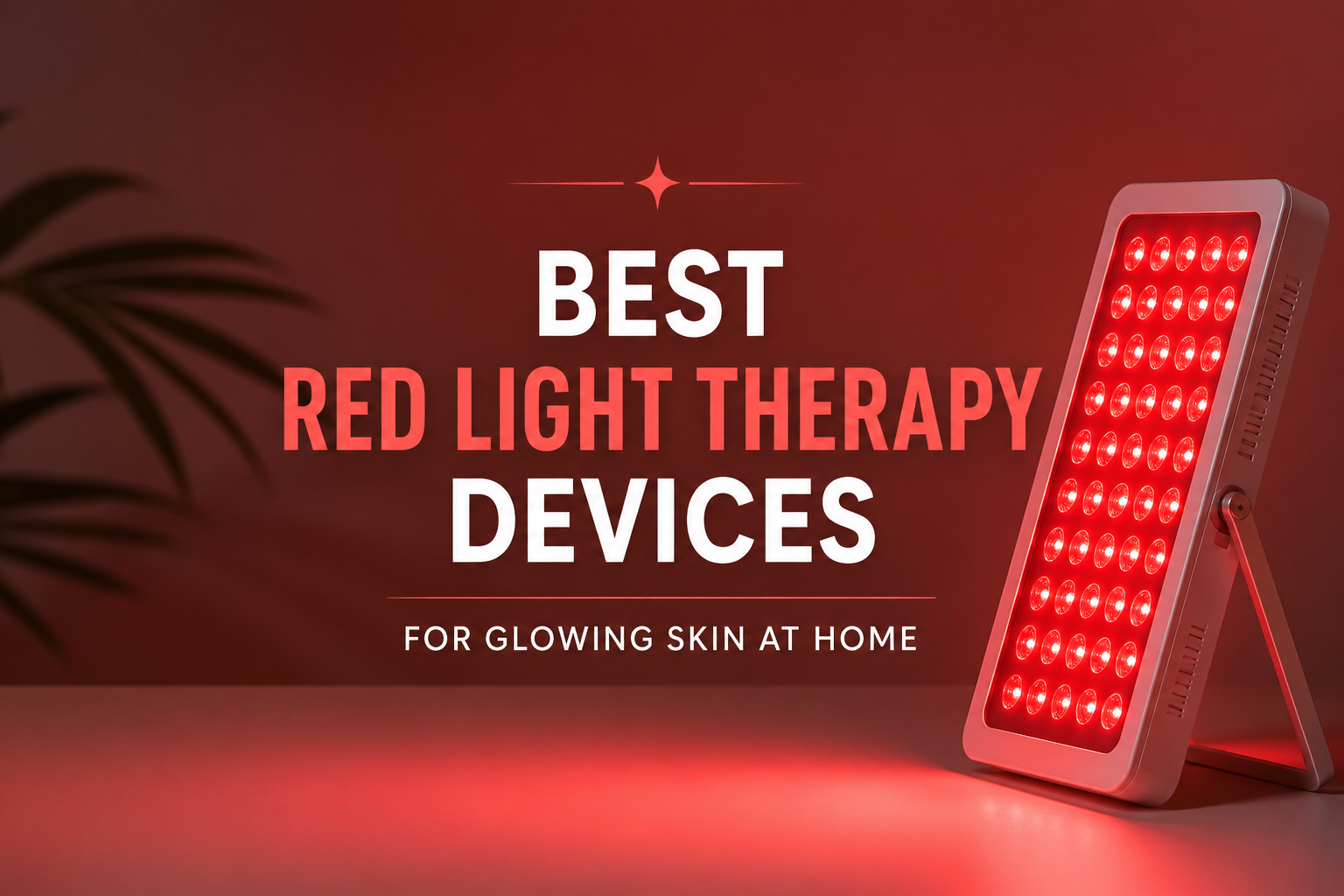
Best red light therapy devices for glowing skin at home
At-home light-based skincare gadgets using gentle red and near-infrared wavelengths have become a go-to for people looking to refresh tired-looking skin without invasive treatments. These tools are designed to support natural skin recovery, helping with things like uneven tone, fine lines, and overall glow by stimulating the skin at a cellular level. It’s a simple, non-invasive routine that fits easily into a daily self-care setup.
After digging through countless options, comparing specs, and reading thousands of real user experiences, a clear group of standout devices started to emerge. We looked at performance, safety, customer ratings, and how often people actually repurchased or recommended them. The goal was to cut through marketing noise and highlight the options that genuinely deliver noticeable results, saving you hours of trial and error.
How we selected these products
We used an advanced AI review-analysis module that scans and synthesizes thousands of user and expert reviews across multiple platforms. This helped us identify consistent patterns in real-world performance, durability, and satisfaction. Instead of relying on surface-level ratings, the system cross-referenced feedback depth, purchase behavior, and long-term usage reports. The aim is transparency—so you can trust that each recommendation reflects genuine, data-backed insight rather than marketing claims.
Overviews
GMOWNW Red Light Lamp


This GMOWNW red light therapy lamp is designed for at-home use with dual-wavelength technology (660nm red light and 850nm near-infrared light). It is intended to support general skin appearance and wellness routines by combining surface-level light exposure with deeper tissue penetration. For skin-focused use, the red light component is typically associated with improving the look of tone and texture, while the infrared light is used for deeper support and recovery-oriented benefits. The device includes adjustable positioning, multiple intensity levels, and a built-in timer, making it flexible for regular skincare sessions at home.
Pros
- Dual 660nm and 850nm wavelengths for both surface skin and deeper tissue exposure
- Adjustable stand allows flexible positioning for face and body use
- Multiple intensity settings for different comfort levels and skin sensitivity
- Built-in timer helps maintain consistent session length without overuse
- Suitable for home skincare routines without requiring professional setup
Cons
- Effectiveness depends heavily on proper distance and usage consistency, which may vary
- No independently verified clinical performance data included with product
- Coverage area may be limited compared to larger professional panels
- Results for skin improvements are gradual and not guaranteed for all users
Verdict
This is a solid entry-level to mid-range option for at-home red light skincare routines. It fits well within the concept of a red light therapy device for skin, especially for users looking to try consistent light-based skin support without investing in high-end professional systems. However, its effectiveness is likely moderate and dependent on correct usage, so it should be seen as a supportive wellness tool rather than a guaranteed treatment device.
Skylaxy Red Light Panel
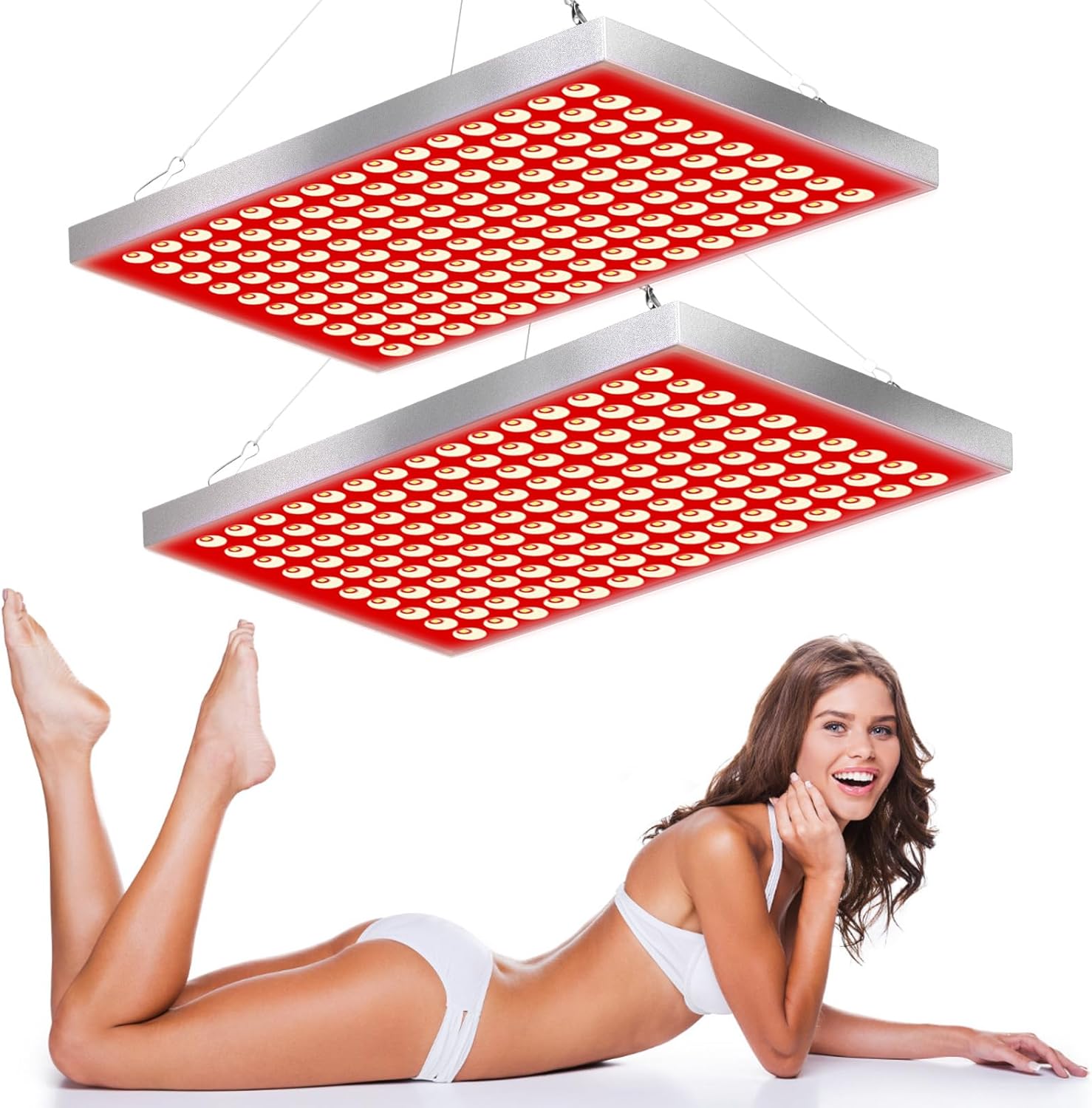
This Skylaxy red light therapy panel combines 660nm red light and 850nm near-infrared light to support both surface-level skin appearance and deeper tissue exposure. It’s designed for at-home routines where users want to improve overall skin tone, texture, and general wellness through consistent light sessions. The panel setup allows flexible positioning for face or body use, making it suitable for skincare-focused routines like supporting smoother-looking skin and maintaining a more refreshed appearance over time. The dual-wavelength approach is commonly used in red light therapy devices aimed at cosmetic skin support.
Pros
- Dual 660nm + 850nm wavelength setup for surface skin and deeper exposure
- Adjustable stand allows flexible positioning for face and full-body use
- Reflector design helps concentrate light toward targeted areas
- Large panel coverage suitable for broader skincare sessions
- Simple at-home setup with no complex installation required
Cons
- Effectiveness depends heavily on consistent use and correct positioning
- No clearly standardized or independently verified performance metrics included
- Results for skin improvement are gradual and vary by user
- Budget-style construction may feel less durable compared to premium panels
Verdict
This is a decent budget-friendly panel that fits well within the red light therapy for skin category. It offers the right wavelengths and practical usability for at-home skincare routines, but it sits more in the “entry to mid-level” range. It can be a reasonable option for consistent cosmetic support, though expectations should stay realistic since results are typically subtle and gradual rather than dramatic.
ALLOLO Red Light Therapy Belt

This ALLOLO red light therapy belt is a wearable 660nm red light and 850nm near-infrared device designed for targeted use on areas like the waist, abdomen, back, and joints. It is intended to support skin appearance and general wellness by delivering light exposure close to the body in a flexible, wrap-style format. For skincare use, the red light component is commonly associated with improving the look of tone and texture, while the infrared light reaches deeper layers that are often linked with circulation and recovery support. Its adjustable strap design makes it easy to use during short daily sessions at home.
Pros
- Dual-wavelength system (660nm red + 850nm infrared) for surface and deeper skin support
- Wearable belt design allows hands-free use on targeted body areas
- Adjustable straps help fit different body sizes comfortably
- Built-in timer makes it easy to control session duration
- Flexible USB-powered setup for home or portable use
Cons
- Limited coverage area compared to larger panel-style devices
- Effectiveness depends heavily on consistent and correct usage
- Corded design may reduce convenience during movement
- Results for skin improvement are gradual and not guaranteed
Verdict
This is a practical entry-level wearable option for red light therapy, but it is more focused on localized use than full-face or full-body skincare treatment. It fits the topic of skin-focused red light therapy devices, but it performs better as a targeted support tool rather than a primary skincare solution. Overall, it’s a decent budget-friendly choice with realistic, gradual benefits rather than fast or dramatic results.
YKeluxon Red Light Wand

This YKeluxon red light therapy wand is a handheld dual-wavelength device using 660nm red light and 850nm near-infrared light, designed for targeted application on areas like the face, neck, and smaller skin zones. It is intended to support skin appearance by delivering concentrated light directly onto the skin surface in short, controlled sessions. In the context of red light therapy for skin, the red light component is typically associated with improving the look of tone and texture, while the infrared light is used for deeper support beneath the skin. Its compact wand design makes it suitable for precision skincare routines rather than full-area treatment.
Pros
- Dual 660nm + 850nm wavelengths for both surface skin and deeper tissue exposure
- Compact handheld design allows precise targeting of facial areas
- Portable and lightweight, easy to use for short daily sessions
- Simple one-button operation for straightforward skincare use
- Can be used on multiple small areas like jawline, cheeks, and neck
Cons
- Small treatment area makes sessions time-consuming for full-face coverage
- Requires consistent use and proper technique for noticeable results
- Less efficient than panel-style devices for overall skin coverage
- Effectiveness varies and results are generally gradual
Verdict
This wand fits the red light therapy for skin category, but it’s more of a precision tool than a complete skincare solution. It can be useful for targeted treatment of small areas, especially for users who prefer hands-on application, but it’s less practical for full-face routines. Overall, it’s a decent entry-level option with realistic, subtle benefits rather than fast or dramatic improvements.
INIA Red Light Therapy Mask

This INIA red light therapy mask is a full-face wearable LED device designed with multiple wavelengths, including 630nm red light and 850nm near-infrared light, to support overall skin appearance and at-home skincare routines. It is intended to improve the look of skin tone, texture, and radiance by delivering light evenly across the face, with deeper light penetration aimed at supporting collagen-related skin benefits. The mask format allows hands-free use during short daily sessions, making it convenient for consistent skincare routines focused on visible skin rejuvenation over time.
Pros
- Multi-wavelength system including 630nm red light and 850nm near-infrared for layered skin support
- Full-face coverage ensures even light distribution across skin areas
- Hands-free mask design allows easy use during relaxation or multitasking
- Rechargeable and typically cordless design for convenience
- Multiple light modes suitable for different skin concerns like tone and texture
Cons
- Bulky mask design may feel heavy or less comfortable during long sessions
- Effectiveness depends on consistent, long-term use rather than quick results
- May cause minor pressure marks depending on fit and face shape
- Results vary widely depending on skin type and routine consistency
Verdict
This is one of the more complete options for red light therapy for skin because it offers full-face coverage and multiple wavelengths, making it more efficient than handheld or belt-style devices. It fits well as a skincare-focused tool for users looking for convenience and broader facial treatment, though comfort and weight may be drawbacks for some. Overall, it’s a strong mid-range option with realistic, gradual skin benefits when used consistently.
How Red Light Therapy Devices Work & Who They’re For
Red light therapy devices work by using specific wavelengths of visible red light and near-infrared light that penetrate the skin at different depths. The idea is that these wavelengths interact with the skin’s cells, particularly in ways that may support the look and feel of healthier, more refreshed skin over time. Most at-home devices combine two key ranges—typically around 630–660nm (red light for surface-level skin) and 810–850nm (near-infrared for deeper layers). Users usually expose the skin to this light for short, consistent sessions, often several times per week.
These devices are commonly used by people who want to improve the appearance of skin tone, texture, and overall radiance without invasive treatments. They are also popular among individuals building long-term skincare routines focused on maintenance rather than quick fixes.
Who it’s for:
- People looking to improve overall skin appearance and tone
- Users interested in non-invasive, at-home skincare tools
- Those focused on long-term skin maintenance routines
- Individuals exploring alternatives to cosmetic clinic treatments
What to Look for in a Red Light Therapy Device for Skin
When choosing a red light therapy device for skin, it’s important to focus on more than just appearance or marketing claims. The most effective devices typically use scientifically recognized wavelengths, build quality suited for consistent use, and designs that match your skincare goals. Whether you are buying a mask, panel, wand, or belt, understanding key features will help you avoid underperforming products and choose a device that fits your routine.
Key Features to Look For:
- Wavelength range: Look for devices that combine red light (around 630–660nm) and near-infrared light (around 810–850nm) for both surface and deeper skin exposure.
- Coverage area: Choose masks or panels for full-face treatment, or wands for targeted use depending on your needs.
- Adjustable settings: Multiple intensity levels and timers allow safer, more controlled sessions.
- Comfort and design: Wearable devices should be lightweight and ergonomic for regular use.
Buying Considerations:
- Consistency matters more than intensity—choose a device you’ll actually use regularly.
- Check build quality, especially for masks and panels that need long-term durability.
- Consider your routine: handheld devices are better for precision, while panels and masks are better for full-face coverage.
- Avoid overly cheap devices that lack clear wavelength information or proper design structure.
Common Pros and Cons of Red Light Therapy Devices
Red light therapy devices have become popular in skincare routines because they offer a non-invasive way to support skin appearance. One of the biggest advantages is convenience—you can use them at home without appointments or downtime. Many users also appreciate that these devices can be incorporated into existing skincare routines with minimal effort, usually requiring only a few minutes per session. Over time, consistent use may contribute to a more even-looking complexion and improved skin texture, which is why they are often marketed for anti-aging and skin rejuvenation purposes.
However, there are also limitations. Results are not immediate, and improvements in skin appearance typically take weeks or even months of consistent use. This can be discouraging for users expecting quick changes. Another drawback is variability in device quality—some budget models may not deliver stable wavelengths or sufficient power, which affects effectiveness. Additionally, not all skin types respond the same way, so results can differ significantly from person to person. Comfort can also be an issue with certain designs, especially heavier masks or poorly fitted panels.
Despite these drawbacks, many people still find value in red light therapy devices as part of a broader skincare routine, especially when expectations are realistic and consistent use is maintained over time.
Is a Red Light Therapy Device Worth It?
Whether a red light therapy device is worth it depends largely on your expectations and how consistently you plan to use it. These devices are not instant solutions, but they can be a useful addition to a long-term skincare routine for those focused on gradual improvements in skin appearance. If you are patient and disciplined with usage, you may notice subtle changes in skin tone and texture over time.
They are most worthwhile for people who prefer at-home skincare tools over professional treatments or who want to maintain skin health without frequent clinic visits. However, if you are expecting fast or dramatic transformations, these devices may not meet your expectations. The key is understanding that they function as supportive wellness tools rather than quick cosmetic fixes.
Overall, a red light therapy device can be worth the investment if you value consistency, convenience, and gradual results. It’s best seen as a long-term skincare companion rather than a standalone solution.